

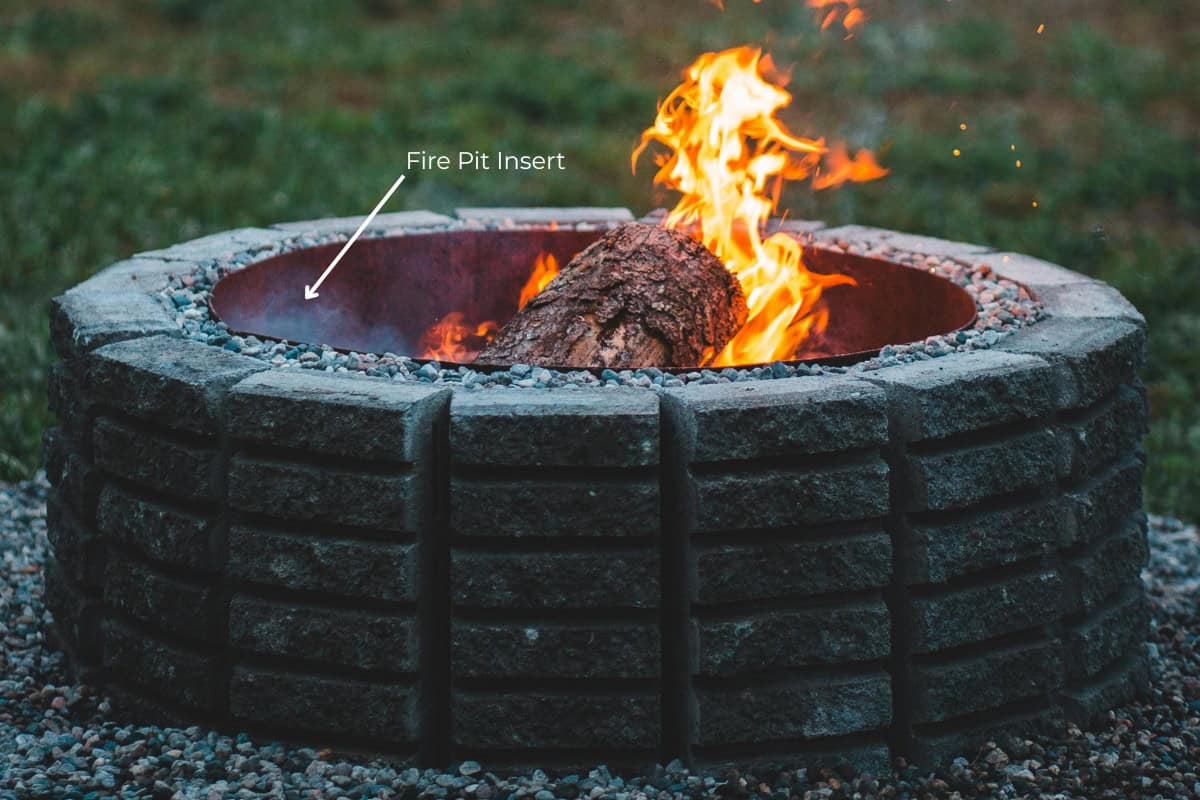
If you’re planning to build your own fire pit oasis, one critical component stands between you and countless memorable gatherings: the fire pit insert.
A quality fire pit insert transforms your DIY backyard build from a weekend project into a lasting centerpiece.
For homeowners and outdoor enthusiasts looking to create the perfect gathering spot, this often-overlooked component deserves your careful consideration.
It protects your fire pit structure, makes installation simpler, and ensures your hard work stands the test of time.
With the right insert, you’ll enjoy an even burn, stronger heat, and a tidy finish—every time you light a fire.
Most importantly, a good fire pit insert keeps you, your guests, and your property safer from heat damage and stray sparks.
Making this choice upfront means your fire pit will last longer and require less maintenance season after season.
Many DIY builders skip this crucial step, but the right insert helps your project run smoothly from the start.
If you’re weighing options or researching the best balance of safety, design, and durability for your backyard build, you’re in the right place.
For even more on selecting materials that stand up to the heat, check out our guide on Best Bricks for Fire Pits.
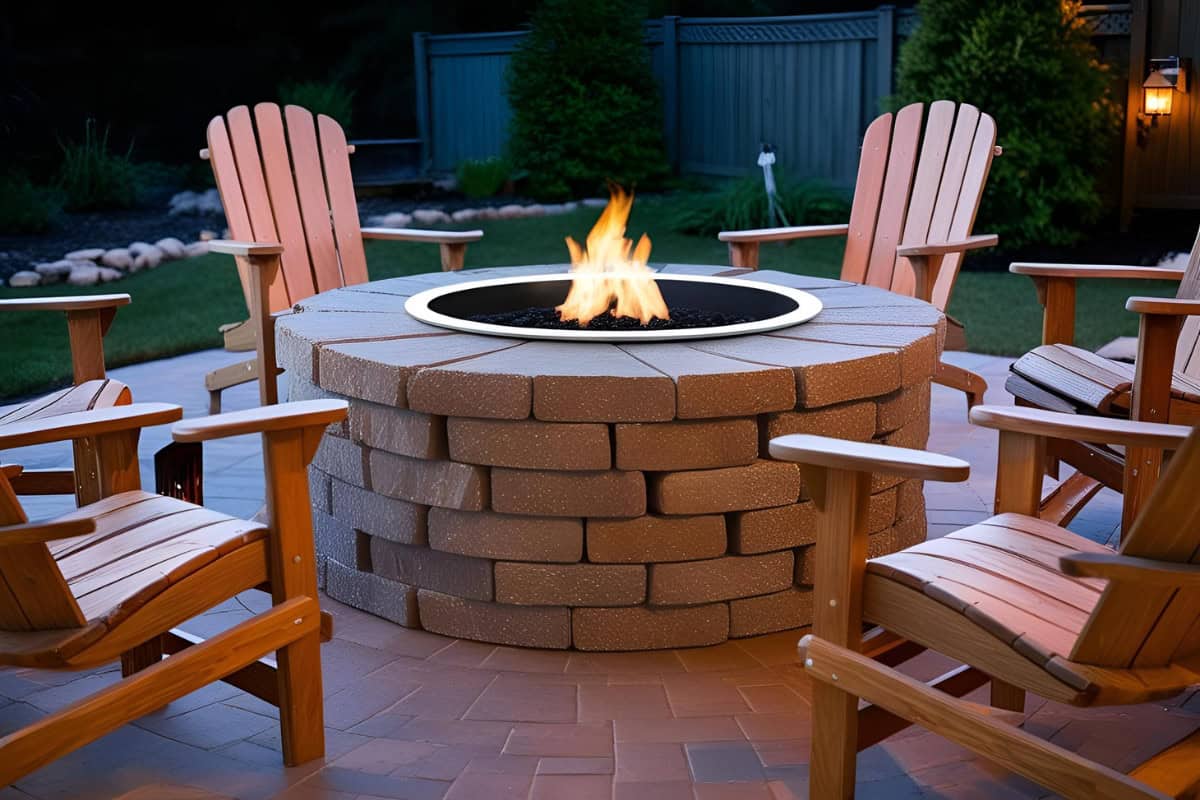
What Is a Fire Pit Insert and Why Does It Matter?
A fire pit insert is the heart of a DIY backyard fire pit. Think of it as the engine that powers your outdoor gathering spot.
Without a quality insert, your fire pit risks breaking down fast, suffering heat damage, or putting safety at risk.
The right insert turns a collection of bricks or blocks into a reliable, long-lasting focal point.
Defining a Fire Pit Insert
A fire pit insert is a metal liner or ring, often made from stainless steel or thick carbon steel. It’s designed to fit inside a stone or brick fire pit.
The insert creates a protective barrier that shields your fire pit’s walls from direct flames and intense heat.
Why does this matter? Stone, brick, or concrete can crack when exposed to high temperatures.
Without an insert, your beautiful DIY pit might crumble or discolor after only a few fires.
An insert solves this problem by:
- Protecting the structural walls from heat
- Preventing erosion and cracks
- Offering a smooth, finished interior
Some inserts come as simple rings; others offer built-in grates or spark guards.
Most importantly, they guarantee your hard work lasts longer and stays safer.
Key Reasons a Fire Pit Insert Matters
When you’re building a backyard fire pit, skipping the insert might seem tempting.
But here’s why you shouldn’t cut corners:
- Safety Comes First: Inserts help contain fire, directing heat up and away from edges. This reduces the risk of stray sparks igniting nearby grass or mulch.
- Longevity for Your Build: Inserts act like armor for your pit. They prevent wall breakdown, so you won’t need repairs or rebuilds after a few seasons.
- Cleaner Burns: With fewer cracks and an even surface, fire burns more efficiently. You get more heat and less smoke, especially if you choose models built for smokeless fires. For example, the Fire Pit Insert Bundle includes everything needed for easier, cleaner fires.
Fire Pit Insert Options for Every Need
The best fire pit insert fits your space and style.
Here are a few popular options:
- Stainless Steel Inserts: Resist rust and deliver long-term durability. Ideal for wet climates or year-round use.
- Carbon Steel Rings: These offer strength at a lower price, but need occasional care to prevent rust.
- Plug-and-Play Inserts: Designed for simple installation. Many, like the Plug N Play Stainless Steel Fire Pit Inserts, make building a custom fire pit faster without sacrificing safety.
Every fire pit insert, whether basic or packed with features, lets you enjoy fireside moments with fewer worries and more comfort.
To see how inserts simplify DIY, you can explore user stories and practical tips in this handy Quora discussion about fire pit inserts and DIY ease.
Choosing the right insert isn’t just a detail—it’s the key to a backyard fire pit that looks great, keeps you safe, and lasts season after season.
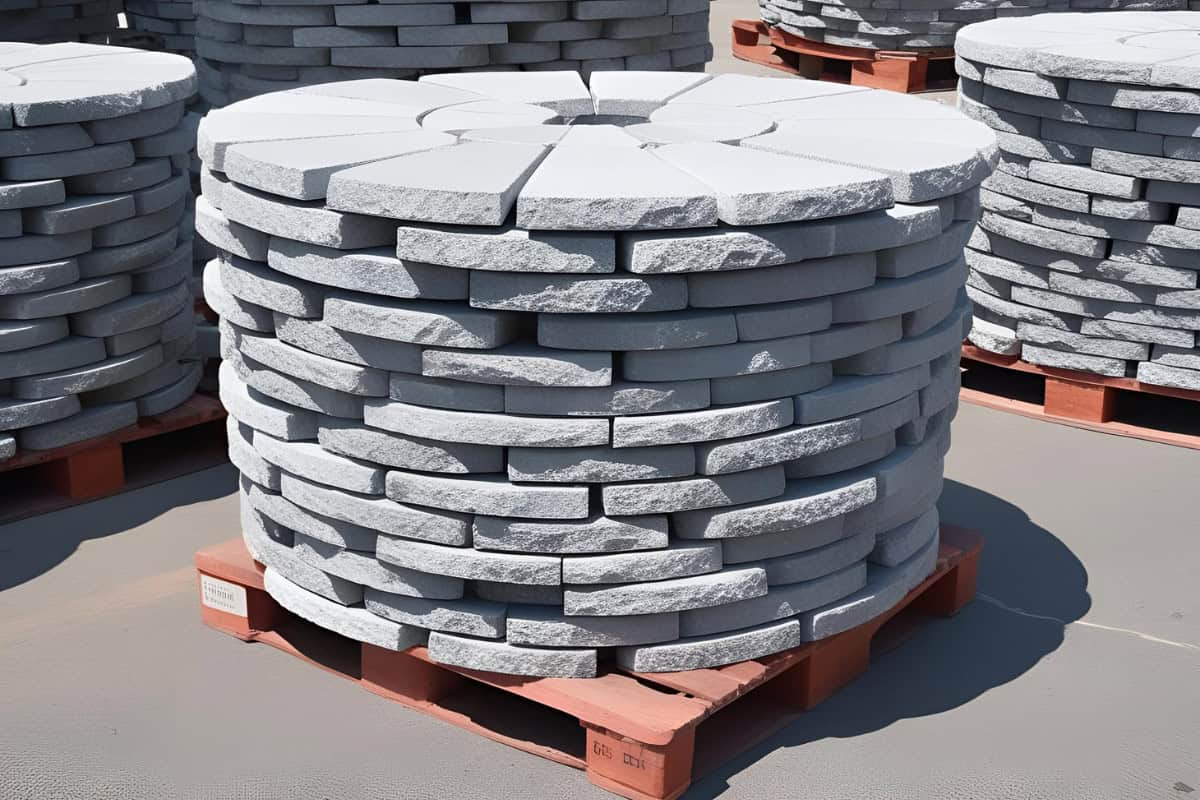
How to Choose the Right Fire Pit Insert for Your Build
Getting the right fire pit insert sets the stage for a great backyard experience. The right insert blends with your space, fits your fire style, and gives you long-lasting use.
Before you make a choice, you need to consider a few important factors. This section breaks down those essentials so you can confidently pick the insert that matches your vision.
Determine the Type of Fuel
Start by picking your fuel – wood or gas. Each fuel type shapes the kind of insert you need.
- Wood-burning inserts offer a classic campfire feel. You get crackling logs, simple setup, and a familiar routine. Many designs support cooking grates for added fun.
- Gas inserts (propane or natural gas) provide instant flames and easy control. These inserts come with burners and valves built in. You will want to decide up front, since switching fuels isn’t simple after installation.
Choosing your fuel first keeps your search focused and avoids headaches later.
Match the Insert Shape and Size to Your Pit
Size matters when it comes to fire pit inserts. Measure your planned fire pit opening and pick an insert that fits snugly inside.
Too small, and you’ll have unsafe gaps; too large, and it won’t fit at all.
Most fire pit inserts come in these shapes:
- Round: Great for traditional builds and social setups.
- Square or rectangular: Perfect for modern designs and decks.
Carefully measure both the inside diameter and depth of your fire pit. Most inserts need at least two to three inches of clearance from the wall for safe airflow.
Focus on Material Quality and Durability
Your insert’s material determines how well it stands up to the elements. Most quality fire pit inserts use either stainless steel or carbon steel.
- Stainless steel: Rust-resistant and built for longevity. These inserts work well in areas with wet or humid climates.
- Carbon steel: Less expensive but prone to rust, especially if left uncovered. They need regular maintenance or a weatherproof cover.
If you want your fire pit to look sharp for years without much work, invest in a high-grade insert. For more information on setting up your fire pit safely in your yard, see these Fire Pit Safety Tips.
Consider Extra Features
Fire pit inserts aren’t all the same. Some have features that improve usefulness or boost safety.
Look for these useful add-ons:
- Grates for holding logs or cooking over flames
- Screens to catch sparks and protect guests
- Double-wall designs for more efficient, smokeless burning
These features make your fire pit easier to use while keeping the area safe and tidy.
Check for Easy Installation and Compatibility
Some inserts offer a true plug-and-play setup. Others, especially those for gas, may need extra work or professional help.
So, look for inserts that fit your building skill—don’t pick a complex system if you want a quick weekend project.
If you want flexible placement advice or need help picking the spot for your fire pit, review these Best Fire Pit Placement Ideas.
Balance Budget and Warranty
Price can vary widely based on size, brand, and material. It’s tempting to go with the cheapest option, but remember that a sturdy fire pit insert saves money over time by preventing repairs.
Look for inserts with solid warranties—they show that the maker stands behind the product.
An insert should last you many seasons if chosen wisely. Your backyard fires will become safer, easier, and more enjoyable with that single smart choice.
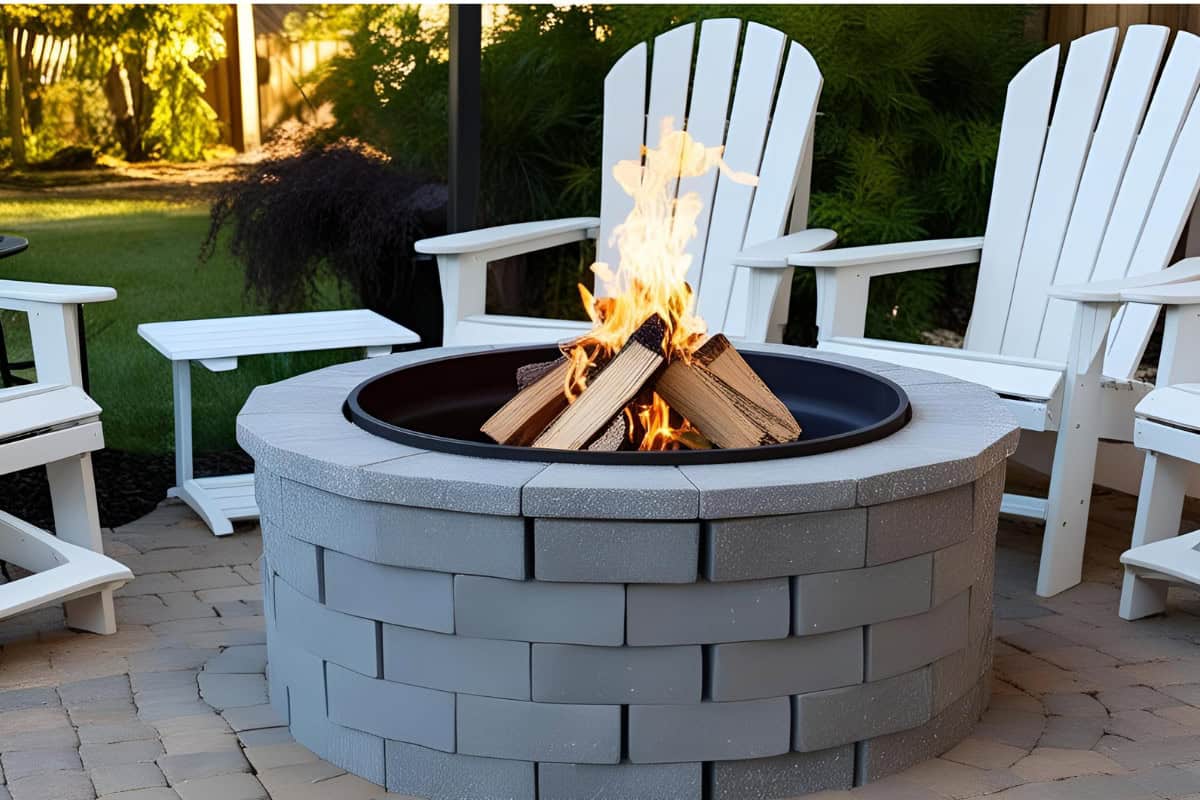
Essential Tips for Installation, Positioning, and Safety
Building a fire pit insert into your backyard setup means thinking ahead about installation, where you put it, and how you keep every fire safe.
Even the best insert won’t help you if you install it incorrectly or set it up in a risky spot. You want each burn to feel relaxing, not stressful.
The tips below break down what you need to know so you can focus on making memories, not worrying about hazards.
Installation Best Practices
Proper installation gives your fire pit insert a strong foundation. Start by reading the manufacturer’s instructions closely.
Each model has specific steps, but several key points apply to almost all builds:
- Use only non-combustible materials (like stone, brick, or pavers) to surround the insert.
- Create a sturdy, flat base for the insert. Sand, crushed stone, or a concrete pad helps prevent sinking or shifting.
- Allow enough clearance between the insert and the outer wall—typically two to three inches—for safe airflow.
Pay attention to venting. Some fire pit inserts need built-in air gaps or drainage holes. Skipping this creates smoke buildup or water pooling, both of which shorten the life of your insert.
If your design includes gas, consider bringing in a licensed installer. Mistakes with gas lines risk leaks or fires.
For wood-burning fire pit inserts, be sure the liner sits level to avoid tipping logs or uneven burns.
Smart Positioning for Your Fire Pit Insert
Positioning your fire pit insert shouldn’t be an afterthought. Where you decide to place it affects everything from safety to enjoyment.
Here are a few guidelines to make placement simple:
- Set your fire pit on a flat, level area. Avoid slopes, soft ground, or wood surfaces.
- Make sure the insert sits at least 10 feet from your house, shed, trees, and any overhead branches.
- Keep all outdoor furniture, play equipment, and decorations far from the flames.
When coming up with your fire pit seating ideas, make sure to account for at least a four-foot buffer around the pit so guests stay comfortable and out of the smoke path.
Lining up your fire pit with open wind directions helps the smoke drift away, not directly into your circle.
When unsure about placement or if your backyard has unique quirks, review these fire pit placement ideas for inspiration and to avoid common mistakes.
Safety Tips You Can’t Skip
Safety lets you relax and enjoy every fire.
Taking time up front protects your family, pets, and property.
Follow these basic practices:
- Never use a fire pit insert under a covered porch or close to overhangs. Open sky above is best.
- Check local rules for burning and fire pit use. Some areas have strict guidelines or bans during dry spells.
- Always have water or a bucket of sand handy to put out sparks.
- Supervise fires at all times. Never leave the pit burning unattended.
Experts recommend building your fire at least 10 feet from anything flammable. HGTV shares more details in their outdoor fire pit safety rules.
FEMA also warns to go further—at least 25 feet—from structures, tents, and shrubs, as outlined in their outdoor fire safety tips.
Keep the area around your fire pit clear of dry leaves, grass, and debris. A simple sweep before lighting up makes a big difference.
If you’re not sure about fire safety in your backyard design, take a look at these thorough fire pit safety recommendations to guide your planning.
So, choose the right location, follow smart installation steps, and make safety a habit. This way, your fire pit insert becomes a welcome highlight—not a hazard—in your backyard retreat.
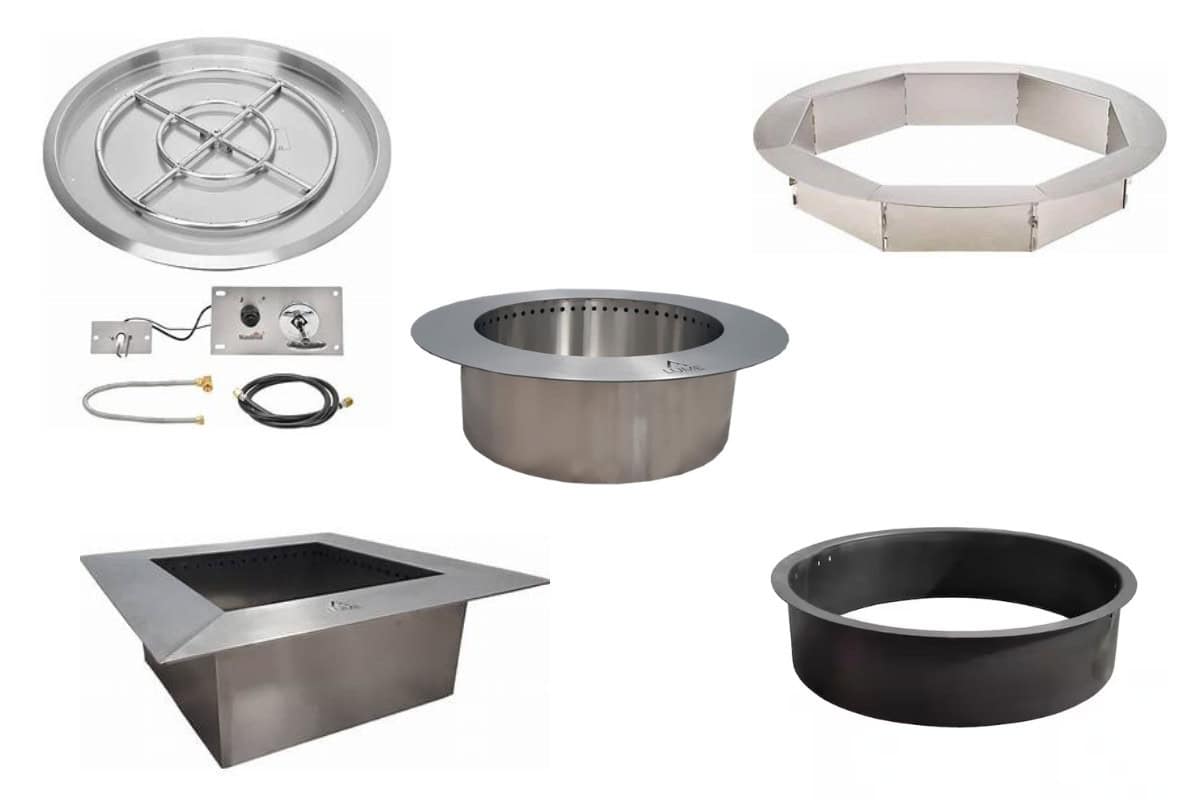
Current Fire Pit Insert Options
Choosing a fire pit insert that matches your build and style gets easier when you know what’s available today.
The market now offers more choices than ever, so you can pick the right fit for both your design vision and your budget.
Whether you want classic wood-burning, clean gas flames, or smokeless technology, there are strong options ready for your backyard setup.
Wood-Burning Fire Pit Inserts
Wood-burning inserts remain the most popular choice for backyard fire lovers. They offer that true campfire feel—crackling sounds, dancing flames, and heat that draws people together.
These inserts usually feature thick steel rings or liners designed to handle high heat.
Many come with add-ons like removable grates, lids, and spark screens.
- Heavy-duty steel models stand up to repeated use and resist warping.
- Some designs include airflow grates underneath to help fires burn cleaner with less smoke
- If you want ultimate flexibility, look for a set that includes a snuffer lid and foldable grate, as seen in the Legacy Series Complete Fire Pit Insert.
Wood-burning inserts work especially well for DIY builders who want a straightforward yet lasting centerpiece for their backyard.
Gas Fire Pit Inserts
Gas fire pit inserts use propane or natural gas to create instant flames, minimal mess, and precise heat control.
These inserts are ideal for those who want fire at the touch of a switch—no need to gather kindling or manage ash.
Modern gas inserts come with stainless steel pans, burners, ignition systems, and sometimes even glass wind guards or decorative stones.
- Propane and natural gas options suit a wide variety of designs, from rustic to contemporary.
- Many inserts now blend form and function, providing sleek lines and low-maintenance use.
If quick setup and clean-up matter to you, a gas insert could be your best option. They’re also a smart choice for homes where open burning isn’t always allowed.
Smokeless and Specialty Inserts
Innovation has brought us high-performance, nearly smokeless fire pit insert designs.
Using double-wall construction and engineered airflow, these inserts burn wood more completely, resulting in very little smoke and more warmth.
If you want to keep the air cleaner and cut down on smoky clothes, check out some of the new smokeless offerings.
- Double-wall designs create secondary combustion, meaning less smoke leaves the fire pit.
- Accessories like lids and ash shovels make cleanup simple.
- Leading products, such as Breeo’s fire pit insert bundle, come with everything you need for quick installation and reliable fires.
Specialty inserts also include custom-fit rings and covers. For those interested in a tailored solution, check designs like the Custom Fire Pit Rings & Covers, which suit unique backyard layouts.
Material and Construction
A good fire pit insert delivers safety and durability. Most top options use thick carbon steel or stainless steel; both stand up to high heat and resist weathering when properly maintained.
Some builders now use metals like brass or aluminum, as highlighted in this Fire Pit Inserts Buyer’s Guide.
Each material has its own strengths:
- Stainless steel resists rust and staining, requiring little upkeep.
- Carbon steel offers toughness and cost savings but needs coating to prevent rust.
- Brass and aluminum inserts are less common but provide unique looks and good heat resistance.
So, always match your insert to your climate. Wet or salty air calls for rust-resistant steel.
Size and Customization
Manufacturers now provide a wide range of sizes—from compact rings for cozy gatherings to large-diameter inserts for groups.
Some shops let you choose custom measurements so your fire pit fits perfectly into its brick or stone surround.
Add-on options include spark guards, cooking grates, and decorative rings to tailor your setup.
If you’re weighing size or material choices, see our tips on what bricks to use for your fire pit base to suit your chosen insert.
Modern fire pit insert options blend solid performance with flexible designs. Whether you want simple warmth or a standout centerpiece, you’ll find a model that meets your needs and matches your style.
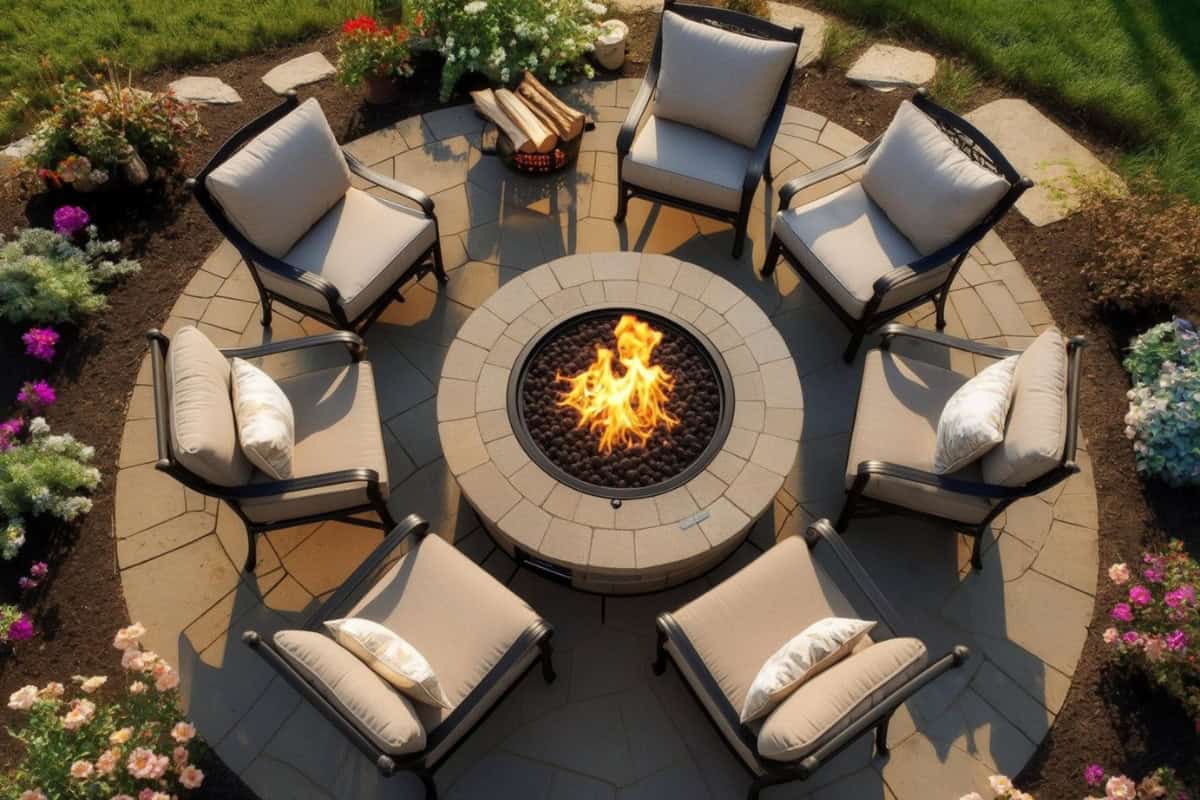
Wrap-up: Fire Pit Insert Buyers Guide
A fire pit insert gives you reliable performance, safer fires, and easier upkeep. With the right insert, your backyard burns brighter and your investment lasts longer.
Paying attention to features, materials, and build quality leads to better nights around the fire.
Choose an insert that fits your needs and space. Your fire pit will deliver warmth, gatherings, and peace of mind season after season.
For practical advice on placement, fuel types, and safety, explore our other guides like fire pit placement ideas and fire pit safety tips.
Also, check out the site’s Fire Pit Terms Glossary if you aren’t familiar with some of the terms used in this article.
Thanks for reading. Share your own build stories or questions below—your insights help others create safer and more enjoyable outdoor spaces.
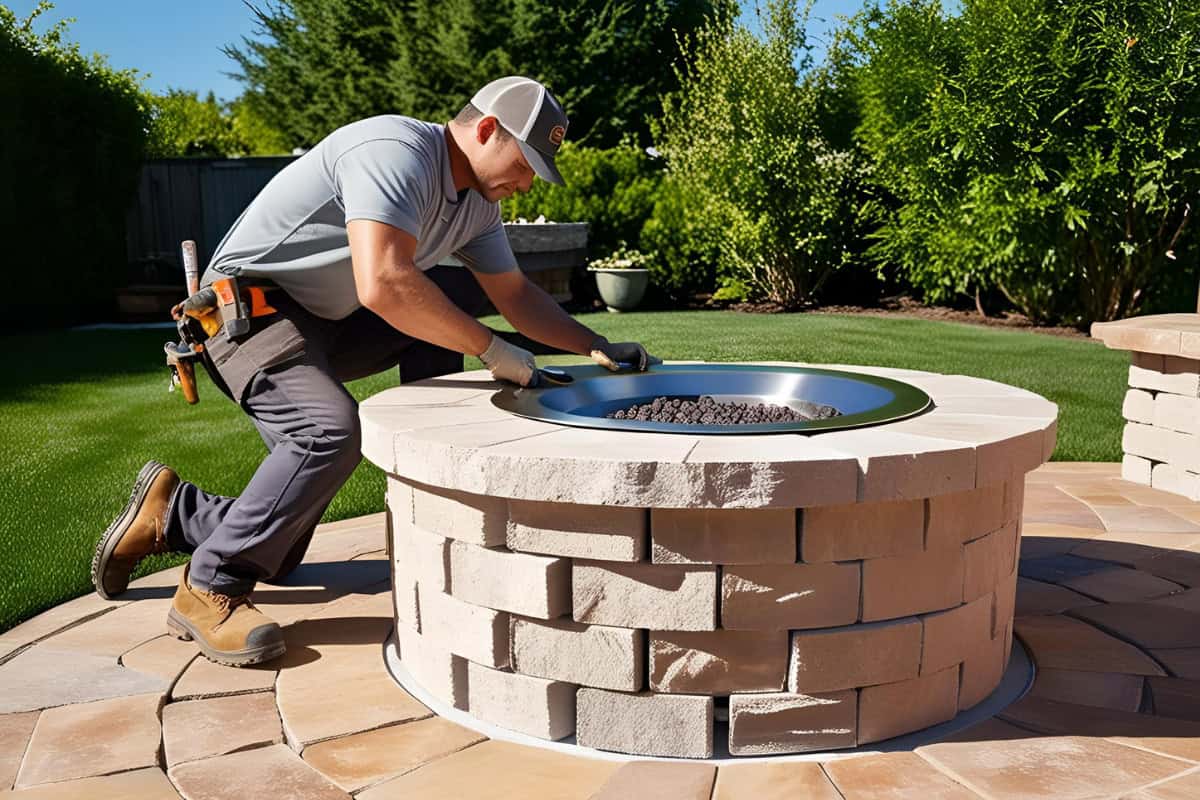
FAQs: Fire Pit Insert Buyer’s Guide
Yes, you can convert most existing fire pits to accommodate an insert, though the process varies depending on your current setup.
For masonry or stone fire pits, you’ll need to ensure the interior dimensions can accommodate your chosen insert with the recommended 2-3 inch air gap around all sides.
This might require carefully removing some inner bricks or stones to create adequate space.
For pre-manufactured fire pits, check if the manufacturer offers compatible inserts specifically designed for your model.
In some cases, particularly with poured concrete pits or complex designs, you may need to consult with a professional to determine the feasibility of adding an insert without compromising the structural integrity.
Remember that retrofitting an insert typically provides immediate benefits by extending your fire pit’s lifespan and improving both safety and performance.
The lifespan of a fire pit insert depends primarily on material quality, usage frequency, and maintenance practices.
High-quality stainless-steel inserts can last 5-10 years or more, even with regular use, thanks to their superior corrosion resistance.
Carbon steel inserts typically last 3-5 years before showing significant deterioration, though proper maintenance can extend this considerably.
Factors that affect longevity include exposure to moisture (which accelerates rust), extreme temperature fluctuations, proper drainage to prevent water pooling, and regular cleaning to remove ash and debris. Inserts with thicker walls (16-gauge or heavier) generally outlast thinner options.
For maximum longevity, look for models with warranties of 3+ years, use a weatherproof cover when not in use, apply high-temperature protective coatings to carbon steel models annually, and ensure your fire pit design allows for proper ventilation and drainage to minimize moisture exposure.
Professional installation is strongly recommended for gas fire pit inserts due to the complexity and safety considerations involved with gas line connections.
While DIY enthusiasts with plumbing or gas fitting experience might feel comfortable handling the project, most homeowners should hire a certified gas fitter or plumber who understands local building codes and safety requirements.
Gas inserts require precise connections to prevent dangerous leaks, proper ventilation to ensure efficient burning, and often electrical components for ignition systems that must be weather-protected.
Many manufacturers explicitly state that professional installation is required to maintain warranty coverage.
Additionally, most municipalities require permits for gas line work, and inspections are typically mandatory to ensure compliance with safety codes.
The cost of professional installation (typically $300-800 depending on complexity) is a worthwhile investment considering the serious risks associated with improper gas fitting, including fire, explosion, and carbon monoxide exposure.
