
This comprehensive Eastern Poplar firewood profile explores the lightweight pioneer of eastern forests, delivering 12,000-14,000 BTUs per cord with exceptional splitting characteristics and mild burning properties.
Known for its outstanding processing ease and rapid seasoning capabilities, Eastern Poplar offers specialized performance that excels in kindling applications while providing clean-burning characteristics ideal for transitional fire management.
Quick Reference Stats
- Wood Type: Hardwood (deciduous broadleaf)
- BTU Rating: 12,000-14,000 BTUs per cord
- Ease of Splitting: Very Easy (4.5/5 scale)
- Seasoning Time: 4-8 months
- Smoke Production: Low to Moderate
- Spark/Pop Factor: Low
- Scent Profile: Mild – Clean, neutral aroma with minimal fragrance
Overview & Identification
Eastern Poplar stands as the premier kindling hardwood of eastern regions, offering exceptional processing capabilities from one of nature’s most cooperative tree species.
This lightweight hardwood provides outstanding splitting performance with clean burning characteristics that make it ideal for fire starting and transitional burning applications.
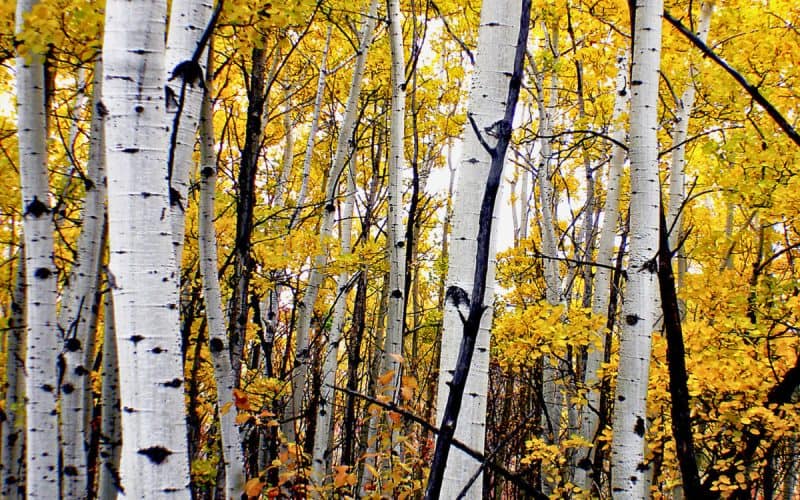
The distinctive round leaves that flutter in the slightest breeze and smooth bark make identification straightforward for this fast-growing pioneer species.
Common Names: Eastern Poplar, Quaking Aspen, Trembling Aspen, Popple
Scientific Name: Populus tremuloides (family Salicaceae)
Tree Characteristics: Medium tree reaching 30-60 feet with distinctive round leaves that flutter in the slightest breeze, featuring smooth, whitish-green bark that becomes furrowed with age. Known for distinctive leaf movement and bright fall colors.
Geographic Distribution
Where You’ll Find It: Across northern United States and southern Canada from coast to coast, extending south in mountainous areas
Availability: Good availability in northern regions from forest management, land clearing, and natural regeneration
Growing Conditions: Prefers moist, well-drained soils and cool climates. Pioneer species that rapidly colonizes disturbed areas and clearcuts.
Burning Characteristics
Heat Output & Performance
- BTU Content: Low performance suitable primarily for kindling and supplemental applications
- Burn Duration: Burns quickly with rapid consumption but limited heat retention
- Coaling Properties: Forms minimal coals that provide brief heat retention
- Flame Characteristics: Produces clean, bright flames with rapid consumption rate
Ignition & Fire Management
- Ease of Lighting: Excellent ignition properties – lights easily and burns readily
- Best Fire Stage: Outstanding for kindling and transition to higher BTU woods
- Burn Rate: Fast burning provides quick heat but requires frequent replenishment
- Heat Consistency: Delivers clean heat output with consistent flame characteristics
Sensory Experience
Smoke Profile
- Smoke Volume: Low smoke production with clean burning characteristics
- Smoke Color: Light, clean smoke with excellent dispersal
- Smoke Flavor: Neutral flavor profile suitable for general cooking applications
- Creosote Production: Very low due to clean burning properties and low resin content
Sound & Visual
- Crackling/Popping: Minimal crackling with very low popping and sparking
- Sparking Tendency: Very low spark production due to clean burning characteristics
- Flame Appearance: Clean, bright flames with good visual appeal
Aroma
- Burning Scent: Mild, clean aroma with minimal distinctive fragrance
- Pleasant Factor: Neutral scent profile that doesn’t dominate fire experience
- Intensity: Low aromatic presence allows other woods’ scents to predominate
Processing & Preparation
Splitting Characteristics
- Ease of Splitting: Very easy splitting due to light density and straight grain
- Grain Pattern: Very straight grain with fine texture that splits cleanly
- Tools Needed: Light hatchet or small splitting axe adequate for most pieces
- Best Splitting Conditions: Splits excellently both green and dry with minimal effort
Seasoning Requirements
- Moisture Content: Reaches target moisture content efficiently due to straight grain
- Seasoning Tips: Seasons quickly but should be protected from excessive moisture
- Storage Considerations: Requires protection from weather due to low decay resistance
Processing Notes
- Chainsaw Considerations: Cuts very easily producing clean, fine sawdust
- Bark Characteristics: Smooth, whitish-green bark that may become furrowed
- Handling: Very light weight makes handling effortless for all users
- Processing Ease: Pleasant, straightforward processing experience
Specialized Uses
Kindling Excellence
- Superior Kindling: Among the finest kindling hardwoods available
- Fire Building: Excellent for building fires from small flames to established burns
- Transition Wood: Perfect bridge between tinder and primary burning woods
- Emergency Applications: Reliable for emergency fire starting in various conditions
Pros & Cons
Advantages
- Exceptional splitting ease with minimal physical effort required
- Very fast seasoning time for quick availability
- Outstanding kindling properties with reliable ignition
- Clean burning characteristics with minimal smoke production
- Very low spark production provides excellent fire safety
- Neutral aroma allows other woods’ scents to predominate
- Lightweight handling makes processing effortless for all users
- Good availability in northern regions from various sources
- Pioneer species provides sustainable harvesting opportunities
- Excellent for fire building and transition applications
Disadvantages
- Very low BTU output unsuitable for heating applications
- Burns extremely fast requiring constant replenishment
- Minimal coaling ability provides no heat retention
- Not suitable for sustained heating or cooking needs
- Requires protection from weather due to low decay resistance
- Limited to kindling and fire starting applications
- Burns too quickly for extended recreational fire enjoyment
- No distinctive character or specialty applications
- Lower density provides minimal heat value per volume
- Requires frequent feeding to maintain any fire
Best Practices & Tips
Kindling Applications
- Process into various sizes for optimal fire building
- Use as primary kindling for reliable fire starting
- Perfect for teaching fire building techniques
- Excellent for emergency fire starting situations
Fire Building Strategy
- Use as transition between tinder and primary burning woods
- Combine with higher BTU woods for sustained burning
- Process into graded sizes for systematic fire building
- Keep dry supply available for reliable fire starting
Processing Optimization
- Split into consistent sizes for uniform burning
- Take advantage of easy processing for large quantities
- Store properly to prevent moisture absorption
- Process fresh for immediate use due to fast seasoning
Bottom Line
Eastern Poplar represents the ultimate kindling hardwood, offering exceptional processing ease combined with outstanding fire starting capabilities that make it invaluable for fire building applications.
While completely unsuitable for heating due to very low BTU output and rapid burning, its exceptional kindling properties make it essential for users who prioritize reliable fire starting and easy processing.
Best For: Kindling, fire starting, emergency applications, teaching fire building, and transitional burning
Skip If: You need heating wood, want sustained burning, require BTU output, need coaling ability, or want specialty wood characteristics
For a complete breakdown of Eastern Poplar’s performance characteristics and technical specifications, our detailed quick reference table below provides all the key data points at a glance.
Related Resources: Eastern Poplar Firewood Profile
Last updated: 7/25/2025