Why Your High Alcohol Tolerance Makes Hangovers Worse (Not Better)
Your alcohol tolerance and hangovers don’t work the way you think they do. In fact, your ability to drink more without feeling drunk is probably making your mornings more miserable.
Here’s the part nobody talks about. Research shows hangovers actually get worse the more often you get them. Scientists call it “reverse tolerance,” and it’s the exact opposite of how tolerance to intoxication works.
Your brain learns to function with alcohol in your system. That’s why you need more drinks to feel buzzed. But your liver and immune system? They’re getting angrier every time you drink. More inflammation. More toxic buildup. Worse mornings.
This article breaks down why “handling your liquor” is a biological lie. You’ll learn what’s really happening when tolerance builds, why your hangovers are getting brutal, and what actually helps (spoiler: it’s not chugging water before bed).
We’re going to bust some myths, dive into the science without the jargon, and give you practical strategies. Let’s get into it.
Your Tolerance Is Lying to You
When people talk about alcohol tolerance, they’re usually bragging. “I can drink anyone under the table” sounds like a superpower. It’s not. It’s your body waving a red flag that you’re ignoring.
Tolerance comes in two flavors, and neither one protects you from hangovers. Functional tolerance happens in your brain. Metabolic tolerance happens in your liver. They’re completely separate systems running on different tracks.
Functional tolerance is why you need more drinks to feel drunk. Your brain literally rewires itself to function normally with alcohol present. GABA receptors (your “calm down” system) get less sensitive. Glutamate receptors (your “speed up” system) get more active. This happens fast—you can develop measurable tolerance within 2-3 weeks of regular drinking.
Metabolic tolerance is your liver producing more of an enzyme called CYP2E1. This enzyme breaks down alcohol faster. Sounds great, right? Wrong. Here’s the catch: faster alcohol breakdown means more acetaldehyde gets produced more quickly. And acetaldehyde is 10 to 30 times more toxic than alcohol itself.
So your liver getting “better” at processing alcohol actually makes hangovers worse. You’re creating more of the poison that causes your symptoms. Plus, CYP2E1 generates extra free radicals as a byproduct. More cellular damage. More oxidative stress. More misery.
GABA-A receptors are your brain’s primary inhibitory system. When alcohol binds to them, it increases their activity, making you feel relaxed and less coordinated. With repeated exposure, the brain downregulates these receptors—literally producing fewer of them.
Simultaneously, NMDA glutamate receptors (your excitatory system) upregulate to compensate. This creates a new “normal” that requires alcohol to function properly. When alcohol is removed, you have too little inhibition and too much excitation. This causes withdrawal symptoms—even mini-withdrawals during hangovers.
This neurological remodeling can begin within a single drinking session (acute tolerance) and becomes more pronounced with regular use. It’s why you need progressively more alcohol to feel the same effects.
Think of tolerance like wearing down your brake pads. Everything works fine until you actually need to stop. Your brain adapts to keep functioning. But your body’s warning systems—the ones that say “hey, this is toxic”—get quieter while the damage keeps piling up.
The Reverse Tolerance Trap
Here’s where things get really interesting. While you’re building tolerance to feeling drunk, you’re building reverse tolerance to hangovers. The more often you get hangovers, the worse they become.
A landmark 2019 study tracked 924 drinkers across five different research projects. The scientists found a strong positive correlation between hangover frequency and severity. The number? r = 0.692. That’s huge in biological research.
Even after controlling for sex, age, and total alcohol consumption, the pattern held. People who got hangovers more often experienced worse symptoms. This is the exact opposite of how tolerance to intoxication works.
A 2025 follow-up study confirmed the findings. Researchers suggested the mechanism is immune sensitization. Every time you drink, your immune system throws an inflammatory response. With repeated exposures, it gets progressively more aggressive—like training your immune system to overreact.
So the person who drinks heavily every weekend and “handles it well”? They’re actually setting themselves up for progressively brutal hangovers. Their brain doesn’t feel as drunk, so they drink more. More alcohol means more toxic metabolites. More inflammation. Angrier immune response. Worse morning.
The Verster et al. research combined data from five independent studies examining hangover frequency and severity. Participants reported their drinking patterns and hangover experiences using standardized assessments.
The correlation coefficient of r = 0.692 between frequency and severity remained significant even when researchers controlled for confounding variables. A partial correlation adjusting for sex, age, and weekly alcohol consumption still showed r = 0.526—statistically significant at p < 0.001.
The researchers proposed “reverse tolerance” as the explanation: repeated inflammatory insults from hangovers prime the immune system to react more strongly to subsequent alcohol exposures. This is similar to how allergies can worsen with repeated exposure to allergens.
Interestingly, hangover symptoms peak when blood alcohol concentration (BAC) returns to zero and acetaldehyde levels are low. This suggests the inflammatory cascade—not direct toxin exposure—drives most symptoms.
The dangerous paradox works like this: high tolerance → drink more to feel effects → more total alcohol consumed → more acetaldehyde and inflammation → worse hangovers despite “handling your liquor” better during drinking.
Your tolerance is making you drink amounts that would’ve destroyed you as a beginner. But your body’s hangover response hasn’t adapted—it’s gotten more sensitive. You’re driving with worn brakes at higher speeds.
What’s Really Happening During a Hangover
Let’s kill the dehydration myth right now. Yes, alcohol makes you pee more. Yes, you lose fluids. But chugging water before bed won’t prevent a hangover. Research shows electrolyte levels don’t correlate strongly with hangover severity.
The real culprit is inflammation. A 2024 review describes hangovers as “sickness behavior secondary to alcohol-induced inflammation.” Basically, your immune system is throwing a tantrum, and you feel like you have the flu.
When you drink, alcohol triggers the release of inflammatory cytokines—proteins like IL-6, TNF-α, and interferon-gamma. These are the same chemicals that make you feel terrible when you’re sick. Higher cytokine levels directly correlate with worse hangover symptoms.
But there’s more. Alcohol damages your gut lining, allowing bacterial toxins (lipopolysaccharides) to leak into your bloodstream. Your immune system detects these invaders and ramps up inflammation even more. It’s a double whammy.
Then there’s acetaldehyde—the toxic intermediate product when your liver breaks down alcohol. Remember, it’s 10 to 30 times more toxic than alcohol itself. When you have high metabolic tolerance, you produce more of it, faster. It damages cells, generates free radicals, and contributes to that “poisoned” feeling.
Here’s where hangxiety comes from: GABA rebound. While you’re drinking, alcohol boosts GABA (your calming neurotransmitter) and suppresses glutamate (your excitatory one). When the alcohol wears off, GABA crashes below baseline while glutamate spikes. You get anxiety, restlessness, and terrible sleep—essentially a mini-withdrawal.
Cytokine storm: Alcohol directly stimulates immune cells to release pro-inflammatory cytokines. Interleukin-6 (IL-6), tumor necrosis factor-alpha (TNF-α), and interferon-gamma all spike during hangovers. Researchers can predict hangover severity by measuring these cytokines.
Gut permeability: Alcohol disrupts tight junctions in your intestinal lining. This allows lipopolysaccharides (LPS)—toxins from gut bacteria—to enter your bloodstream. Your immune system recognizes LPS as a pathogen and amplifies the inflammatory response.
Oxidative stress: Alcohol metabolism generates reactive oxygen species (free radicals) that damage cellular components. CYP2E1—the enzyme elevated in tolerant drinkers—produces additional free radicals as a byproduct. This creates a vicious cycle of cellular damage.
GABA/glutamate imbalance: Chronic alcohol exposure causes GABA-A receptor downregulation and NMDA receptor upregulation. When alcohol is withdrawn, inhibitory signaling crashes while excitatory signaling spikes. This manifests as anxiety, tremors, poor sleep, and in severe cases, seizures.
Congeners matter too. These are the chemical byproducts of fermentation that give drinks their flavor. Bourbon has 37 times more congeners than vodka. In a head-to-head study, 33% of bourbon drinkers reported severe hangovers versus only 3% of vodka drinkers—at identical blood alcohol levels.
So what’s really happening? Your immune system is fighting alcohol like an infection. Your gut is leaking bacterial toxins into your blood. Your neurotransmitters are rebounding in the wrong direction. And toxic metabolites are damaging your cells. Dehydration is just a supporting actor in this horror show.
Seven Tolerance Myths Ruining Your Mornings
Myth #1: “High tolerance means fewer hangovers”
This is the big one. People think if they can drink a lot without getting drunk, they won’t pay for it tomorrow.
Reality: Reverse tolerance means hangovers get worse with frequency. Your brain adapts to alcohol. Your immune system gets angrier. The correlation between how often you get hangovers and how bad they are is scientifically documented—r = 0.692.
High tolerance lets you drink more total alcohol before feeling drunk. More alcohol means more acetaldehyde, more inflammation, more cellular damage. You’re not protected—you’re just ignoring the warning signs while racking up the bill.
Myth #2: “If I don’t get hangovers, I’m fine”
About 23% of drinkers appear hangover-resistant. They can drink heavily and feel okay the next day. That sounds like winning the genetic lottery.
Reality: No hangovers might signal developing dependence, not superior biology. When you drink heavily enough for long enough, your body stops sending warning signals. You’ve essentially broken your alarm system.
Research shows hangover-resistant people still have elevated inflammatory markers after drinking. They just don’t feel the inflammation. The damage is happening—you’re just not getting the alert. Some experts consider this a risk factor for alcohol use disorder because you lose the negative feedback that moderates drinking.
Myth #3: “I can train my body to handle alcohol”
People compare drinking tolerance to exercise adaptation. Work out regularly and your muscles get stronger. Drink regularly and your body gets “stronger” at processing alcohol. Right?
Reality: This analogy is biologically wrong. Exercise causes adaptive strengthening. Alcohol causes neurotoxic remodeling and liver stress. You’re not building strength—you’re wearing down brake pads.
Tolerance means your brain needs alcohol to function normally. Your GABA receptors have downregulated. Your glutamate system is overactive. That’s not adaptation—that’s dependency in the making. The Harvard Center for Wellness specifically warns that increasing tolerance is a risk factor for alcohol problems.
Myth #4: “Beer before liquor, never been sicker”
Everyone knows this one. The order you drink matters, right? Beer before liquor makes you sicker. Liquor before beer, you’re in the clear.
Reality: Your liver doesn’t have a sommelier. It just sees ethanol. The National Institute on Alcohol Abuse and Alcoholism directly calls this a myth.
What matters is total volume and drinking speed. People usually drink beer slower and liquor faster. When you start with liquor, you might already be drunk by the time you switch to beer, so you slow down. That’s why “liquor before beer” seems to work—not because of the order.
Myth #5: “Coffee or a cold shower will sober me up”
Need to drive home? Just drink some coffee and take a cold shower. You’ll be fine.
Reality: These tactics create “wide-awake drunks.” You feel more alert, but your blood alcohol concentration doesn’t change. Your reaction time is still impaired. Your judgment is still compromised.
Your liver metabolizes alcohol at a fixed rate—about one standard drink per hour. Nothing speeds this up. Not coffee. Not cold showers. Not greasy food. Time is the only cure for intoxication.
Myth #6: “More drinks equals more fun”
The party logic: if three drinks feel good, six drinks feel twice as good. Just keep drinking and the fun keeps increasing.
Reality: Scientists identified peak euphoria at 0.05 BAC—about 2-3 drinks for most people. Every drink beyond that adds impairment without adding pleasure. You’re not getting happier—you’re getting sloppier.
High tolerance means you need more drinks to hit that sweet spot. But you still get the same toxic load per drink. So you’re consuming 6-8 drinks to reach the euphoria that used to take 2-3. That’s 3-4x the hangover fuel for the same fun.
Myth #7: “Supplements cure hangovers”
The hangover cure industry is worth $1.8 billion and growing. Surely some of these products work.
Reality: A King’s College London systematic review of 21 randomized controlled trials found only “very low quality” evidence for any hangover treatment.
That said, some supplements have better evidence than others. We’ll break down what actually has research support below—but spoiler alert: nothing is a silver bullet. The supplement industry thrives on desperate hungover people, and 65% of hangover products make health claims with zero peer-reviewed data backing them up.
Why Hangovers Get Brutal After 30
Remember when you could shotgun a Four Loko, sleep for four hours, and show up to your 8 AM class? That person is dead. Age kills your hangover resilience.
Your liver produces less alcohol dehydrogenase (ADH) and aldehyde dehydrogenase (ALDH) as you age. These are the enzymes that break down alcohol and acetaldehyde. Lower enzyme levels mean slower processing and longer exposure to toxic metabolites.
Your body water percentage also drops. Men go from about 61% water in their 20s to 55% in their 50s. Women go from 52% to 47%. Less water means alcohol becomes more concentrated in your system. The same number of drinks hits harder.
Then there’s accumulated immune sensitization. All those hangovers in your 20s weren’t consequence-free. You’ve been training your immune system to overreact to alcohol. Each inflammatory response primes the next one to be stronger.
Medications complicate things too. Blood pressure meds, cholesterol drugs, antidepressants—they all interact with alcohol metabolism. Plus, older livers are handling more metabolic load overall. Adding alcohol on top of everything else becomes genuinely harder.
Enzyme decline: Alcohol dehydrogenase (ADH) and aldehyde dehydrogenase (ALDH) production decreases with age. This is partly due to overall liver function decline and partly due to decreased protein synthesis. The result is measurably slower ethanol and acetaldehyde metabolism.
Body composition changes: Total body water decreases while body fat percentage increases. Alcohol is water-soluble, not fat-soluble. With less water to distribute into, the same amount of alcohol creates higher blood concentrations. This is why standard drink guidelines adjust downward for older adults.
Immune system aging: The phenomenon of “inflammaging”—chronic low-grade inflammation that increases with age—means your baseline inflammatory state is already elevated. Alcohol-induced inflammation hits harder when you’re starting from a higher baseline.
Medication interactions: Many common medications affect cytochrome P450 enzymes, the same system that metabolizes alcohol. Beta-blockers, statins, SSRIs, and others can slow alcohol processing or amplify side effects.
The bottom line: your 35-year-old body is not your 21-year-old body. The drinking habits that worked in college will destroy you now. Tolerance might still be high, but recovery capacity is shot.
The Genetics Lottery
You know that friend who never gets hangovers? The one who drinks everyone under the table and wakes up fresh? They won the genetics lottery. Sort of.
About 23% of people appear hangover-resistant. Twin studies show genetics accounts for 40-45% of hangover frequency variation. But here’s the twist: hangover-resistant people still show elevated inflammatory markers after drinking. They just don’t feel the inflammation.
The most dramatic genetic factor is the ALDH2 gene. About 540 million people worldwide—primarily in East Asian populations—carry the ALDH2*2 variant. This variant reduces ALDH2 enzyme activity by 100-fold. Acetaldehyde accumulates at toxic levels, causing the “Asian flush” reaction: red face, nausea, rapid heartbeat.
Many East Asians also carry the ADH1B*2 variant, which speeds up alcohol-to-acetaldehyde conversion. Fast production plus slow removal equals acetaldehyde overload. It’s a genetic double whammy that makes drinking genuinely unpleasant.
Interestingly, this genetic combination is protective against alcohol use disorder. When drinking makes you feel terrible, you drink less. It’s nature’s built-in deterrent.
The ALDH2*2 allele (also called ALDH2 rs671) results from a single point mutation that changes glutamate to lysine at position 487 of the enzyme. This drastically reduces catalytic efficiency—the enzyme is essentially nonfunctional.
Frequency varies by population: ~30-50% of Chinese, Japanese, and Korean individuals carry at least one copy. It’s virtually absent in European and African populations. The mutation likely occurred 2,000-3,000 years ago in southern China and spread through East Asia.
People with ALDH2 deficiency experience acetaldehyde accumulation even from small amounts of alcohol. Peak acetaldehyde levels can be 5-10 times higher than in people with normal ALDH2. This causes facial flushing, increased heart rate, nausea, and headaches—essentially, instant hangover symptoms.
The protective effect is real: ALDH2*2 carriers have significantly lower rates of alcohol dependence. However, those who drink heavily despite the discomfort face dramatically elevated cancer risk, particularly esophageal cancer, due to chronic acetaldehyde exposure.
But what about the hangover-resistant folks? Research suggests they might have variations in inflammatory response genes or differences in how their bodies signal discomfort. They’re still getting the cellular damage—they just don’t feel as bad.
This is where “no hangovers” becomes a potential warning sign. If you can drink heavily without consequences, you lose the negative feedback that keeps drinking in check. Columbia’s Go Ask Alice specifically addresses this: hangover resistance can be a risk factor for developing alcohol problems.
What Actually Helps (Evidence-Based)
Let’s be honest: nothing cures a hangover. But some strategies have legitimate research support. Here’s what works, what might work, and what’s complete snake oil.
Prevention (What Actually Works)
Drink less. Obvious but true. Every additional drink increases hangover likelihood and severity. The only guaranteed prevention is staying under your threshold—which varies by person.
Choose clear spirits over dark ones. That bourbon vs. vodka study wasn’t lying. Congeners make hangovers significantly worse. Vodka, gin, and white rum have fewer congeners than whiskey, tequila, and red wine.
Pace yourself. Drinking faster means higher peak BAC and less time for your liver to process alcohol. Give your body time to metabolize what you’ve consumed.
Eat before and while drinking. Food slows alcohol absorption, preventing rapid spikes in BAC. It doesn’t reduce total absorption, but it smooths the curve.
The Supplement Honesty Check
The hangover supplement market is mostly garbage. But a few ingredients have actual research behind them. Here’s the honest breakdown:
NAC (N-Acetylcysteine): Boosts glutathione, the antioxidant that helps neutralize acetaldehyde. A 2021 randomized controlled trial found no significant overall benefit. However, females showed improvement in nausea and weakness. The catch: it must be taken before drinking.
The FDA technically classifies NAC as a drug, not a supplement. Yet 45% of commercial hangover products contain it. Legal gray area aside, the evidence is weak.
DHM (Dihydromyricetin): Extracted from Japanese raisin tree, used in Asian medicine since 659 AD. A famous 2012 USC study showed dramatic effects in rats—recovery from intoxication in 5 minutes versus 70 minutes. But an Oxford literature review found “no direct evidence linking DHM intake in humans with reduced hangover symptoms.” Low bioavailability is a known problem.
Zinc + Niacin (B3): A 2019 study showed significant negative correlation with hangover severity. Zinc: rPB = −0.341. Niacin: rPB = −0.521. Notably, B6 and B12—despite being in most hangover products—showed no statistically significant effect.
Plant polyphenol blends: A BMJ study found a mix of Barbados cherry, prickly pear, ginkgo, willow bark, and ginger reduced headache by 34%, nausea by 42%, and restlessness by 41%. The control group receiving only vitamins/minerals/electrolytes showed no improvement. This suggests anti-inflammatory polyphenols are the active agents.
NAC mechanism: N-Acetylcysteine is a precursor to glutathione, the body’s primary antioxidant for detoxifying acetaldehyde. The theory is that boosting glutathione levels helps neutralize toxic metabolites faster. The 2021 RCT by Kechagias et al. used 1200mg NAC before drinking but found no significant improvement in overall hangover severity scores.
DHM bioavailability problem: Dihydromyricetin has poor water solubility and low intestinal absorption. Most of an oral dose is not absorbed. Manufacturers use various delivery mechanisms (liposomal, cyclodextrin complexes) to improve bioavailability, but human studies remain limited.
Zinc/niacin findings: The Verster et al. 2019 study examined dietary intake of various nutrients and their correlation with hangover severity. Zinc and niacin showed the strongest protective associations. The mechanism likely involves zinc’s role in alcohol dehydrogenase function and niacin’s role in NAD+ production (essential for alcohol metabolism).
Polyphenol anti-inflammatory effects: Plant polyphenols reduce cytokine production and oxidative stress. The combination of multiple polyphenol sources (rather than single compounds) showed the most benefit, suggesting synergistic effects.
The Bottom Line on Supplements: None of these are magic bullets. The evidence is mixed at best. If you want to experiment, go with zinc/niacin (cheap and safest bet) or a polyphenol blend. Skip the $40 proprietary hangover pills—they’re mostly marketing.
Recovery (What Helps The Next Day)
Hydrate with electrolytes: Won’t cure the hangover, but dehydration makes everything worse. Coconut water or electrolyte drinks help more than plain water.
Eat something gentle: Crackers, toast, bananas. Your blood sugar is probably crashed. Small, frequent meals help stabilize it.
Rest. Your body is fighting inflammation. Sleep helps. Don’t power through with caffeine unless absolutely necessary.
Light movement if you can tolerate it. Gentle walking can help, but intense exercise is counterproductive when you’re dehydrated and inflamed.
What Doesn’t Work
“Hair of the dog” just delays the inevitable. You’re adding more alcohol to a body already struggling to process yesterday’s damage.
Activated charcoal doesn’t work. By the time you’re hungover, the alcohol is already metabolized. There’s nothing left for charcoal to bind to.
IV therapy is expensive placebo. Yes, it rehydrates you faster than drinking water. No, it doesn’t address the actual causes of hangovers (inflammation, acetaldehyde, GABA rebound).
When Tolerance Becomes a Warning Sign
This isn’t a preachy “you might be an alcoholic” section. But there are some realities worth knowing.
High tolerance is an early marker of alcohol use disorder. Not everyone with high tolerance develops a problem. But everyone with a drinking problem had high tolerance first. It’s part of the progression.
If you notice these patterns, pay attention:
- You need significantly more drinks than you used to in order to feel effects
- You stopped getting hangovers despite drinking heavily (your warning system broke)
- You drink more than intended once you start
- You feel anxious or shaky when you haven’t had a drink in a while
- Drinking is affecting work, relationships, or health, but you keep doing it
Tolerance itself isn’t the problem. It’s a sign your body is adapting to regular alcohol exposure. The question is: where’s that adaptation heading?
When to get help: If you’re concerned about your drinking, talk to a doctor. Not a judgment—just information. The National Institute on Alcohol Abuse and Alcoholism has screening tools and resources. Early intervention makes a difference.
For most people reading this, you’re just trying to enjoy social drinking without feeling like death the next day. That’s reasonable. Understanding how tolerance and hangovers actually work helps you make informed choices.
Frequently Asked Questions
Does having high alcohol tolerance mean I won’t get hangovers?
No—it usually means the opposite. High tolerance lets you drink more before feeling drunk, which means more total alcohol, more toxic metabolites, and worse hangovers. Research shows hangovers actually get worse with frequency (reverse tolerance).
Why does my friend never get hangovers?
About 23% of people appear hangover-resistant due to genetic variations in how they process alcohol or signal inflammation. However, research shows they still have elevated inflammatory markers—they just don’t feel as bad. This can actually be a risk factor for alcohol problems since they lose the negative feedback that moderates drinking.
Can you build tolerance to hangovers?
No. While you build tolerance to intoxication (needing more drinks to feel drunk), you develop reverse tolerance to hangovers. The more often you get hangovers, the worse they become. This is due to immune sensitization—your body’s inflammatory response gets stronger with repeated alcohol exposures.
Why do hangovers get worse with age?
Your liver produces less of the enzymes that break down alcohol and acetaldehyde. Your body water percentage decreases, making alcohol more concentrated. You’ve accumulated immune sensitization from years of drinking. And medications become more common, creating interactions with alcohol metabolism.
Does drinking water prevent hangovers?
Not really. Dehydration contributes to hangovers but isn’t the main cause. The primary drivers are inflammation, toxic acetaldehyde accumulation, and neurotransmitter rebound. Drinking water helps, but it won’t prevent a hangover if you drink heavily.
What alcohol gives you the worst hangover?
Dark spirits and red wine generally cause worse hangovers due to congeners (chemical byproducts of fermentation). Bourbon has 37 times more congeners than vodka. In studies, 33% of bourbon drinkers reported severe hangovers versus only 3% of vodka drinkers at identical blood alcohol levels.
Do hangover pills actually work?
Mostly no. A systematic review of 21 randomized controlled trials found only “very low quality” evidence for any hangover treatment. Some supplements (zinc, niacin, certain polyphenols) have shown modest benefits in studies, but nothing is a cure. The $1.8 billion hangover cure industry mostly relies on desperate people and placebo effects.
Why do I get hangxiety?
Hangxiety (hangover anxiety) comes from GABA rebound. While drinking, alcohol boosts your calming neurotransmitter (GABA) and suppresses your excitatory one (glutamate). When alcohol wears off, GABA crashes below baseline while glutamate spikes. This creates anxiety, restlessness, and racing thoughts—essentially a mini-withdrawal.
Is it bad if I don’t get hangovers anymore?
It can be. If you used to get hangovers but stopped despite drinking the same amount (or more), your body may have stopped sending warning signals. This is sometimes an early sign of developing dependence. You’re still getting the cellular damage and inflammation—you just don’t feel it anymore.
Does eating before drinking prevent hangovers?
Partially. Food slows alcohol absorption, preventing rapid spikes in blood alcohol concentration. This can reduce hangover severity but doesn’t eliminate it. You still absorb the same total amount of alcohol—just more gradually. It helps, but it’s not a magic shield.
The Bottom Line
Your high alcohol tolerance isn’t protecting you from hangovers. It’s making them worse. Every time you build more tolerance to intoxication, you’re setting yourself up for more brutal mornings.
The science is clear: tolerance and hangovers run on separate tracks. Your brain adapts to alcohol. Your liver processes it faster (creating more toxic byproducts). Your immune system gets progressively angrier. This is reverse tolerance—the more often you get hangovers, the worse they become.
Understanding this doesn’t mean you have to quit drinking. But it means making informed choices. Drink less frequently. Choose clear spirits over dark ones. Pace yourself. Don’t rely on supplements to save you.
And if your tolerance keeps climbing while your hangovers keep getting worse? That’s your body waving a red flag. Pay attention to it.
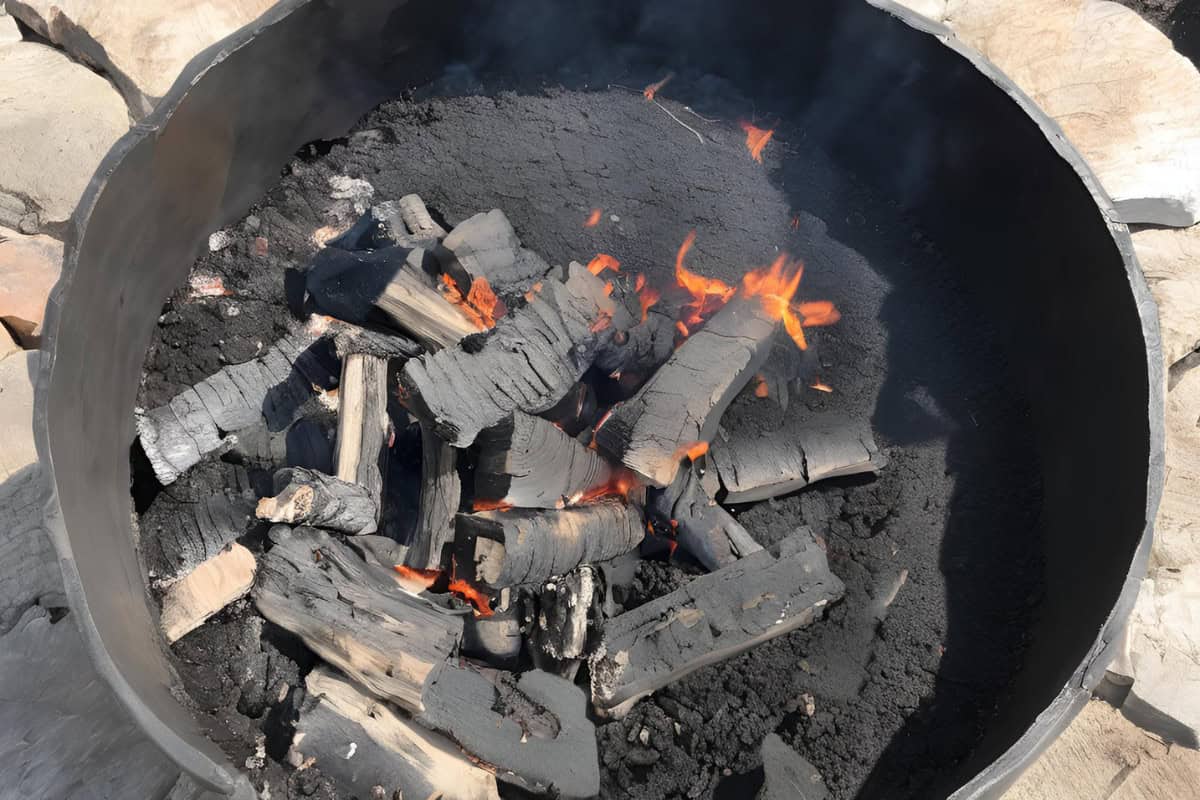
Every year, thousands of injuries and house fires start because people don’t know how to put out a fire pit the right way.
The U.S. fire departments respond to over 5,300 outdoor fire pit and heater incidents annually—many are preventable.
Learning how to put out a fire pit safely protects not only your property but also your loved ones and neighbors.
In this guide, you’ll learn exactly why safety matters, the most common risks, and the step-by-step methods for extinguishing any fire pit.
Whether you’re wrapping up a backyard gathering or looking to boost your fire pit know-how, you’ll leave with easy techniques for a safer, stress-free experience.
Table of contents
Methods to Put Out a Fire Pit Safely
Learning how to put out a fire pit is just as important as building and enjoying one. Each method offers unique benefits and risks, depending on your setup, your surroundings, and how much time you have.
Understanding the right extinguishing technique keeps you, your home, and your guests safe—and helps avoid costly mistakes.
Let the Fire Burn Out Naturally
Allowing a fire to burn out on its own can be a safe method for extinguishing your fire pit—but only if you follow essential steps.
It’s best used when you’re not in a hurry, and you’re able to stay with the fire until every last ember is cold.
**Never leave a fire unattended, even if it’s almost out.**
Keep these safety points in mind:
- Always supervise the fire until the flames and embers are completely out.
- Be patient: larger fires may take several hours to die down naturally.
- Clear away any flammable objects or dry brush nearby to prevent accidental spread.
- Avoid this method during windy conditions or drought, when embers may rekindle or spread.
This approach is not safe if you need to leave the area before the fire is cool to the touch. Curious about the risks of walking away too soon?
Water Extinguishing
Putting out a fire pit with water is a quick and effective way to stop the burn.
Here’s a step-by-step guide for using water safely:
- Let the fire burn down: Wait for flames to subside and logs to become embers.
- Pour water slowly: Using a hose or a large bucket, pour water gradually over the embers. Never dump water quickly, as this can cause hot ash to blow out.
- Stir the ashes: Use a shovel or long stick to mix the wet ashes, making sure all hot spots are soaked.
- Repeat: Continue adding water and stirring until you see no more steam or hissing sounds.
- Check for heat: Hold your hand above the ashes—they should feel completely cool before you finish.
Cautions about materials:
- Metal fire pits handle rapid cooling better, but excess water can cause rust. Learn how to prevent damage by following tips for Preventing Fire Pit Rust
- Stone or concrete fire pits may crack if hit with cold water while still hot. Allow to cool slightly before dousing.
How much water do you need? Plan on at least a few gallons for a small fire pit—more for larger fires or thicker logs.
Disposing of wet ashes: Once everything is cold, collect ashes in a metal container. Store far from your home and other flammables until you’re sure there’s no leftover heat.
Fire Pit Snuffer Method
Using a fire pit snuffer—essentially a heavy, fitted metal lid—cuts off oxygen and puts out your fire safely. This method is clean and quick if your fire pit supports it.
How to use a snuffer effectively:
- Wait for flames to decrease and coals to be glowing, not flaming.
- Place the snuffer lid securely over the opening so no air can get in.
- Leave the snuffer on for at least 30-60 minutes, then check to ensure everything is cool.
- Never touch the lid directly after use—it will be hot.
Proper sizing and safety: Make sure your snuffer fully covers the fire pit’s opening. If it’s too small, air will get in, and the fire could smolder for hours.
Pros:
- No water or dirt cleanup
- Keeps embers contained during the cool-down
- Good for metal and some stone fire pits
Cons:
- Not all pits can use a snuffer
- Initial cost of the lid
- Can take longer if wood is still burning
Best uses: Opt for a snuffer when you want a mess-free solution and plan to monitor until the fire is fully out.
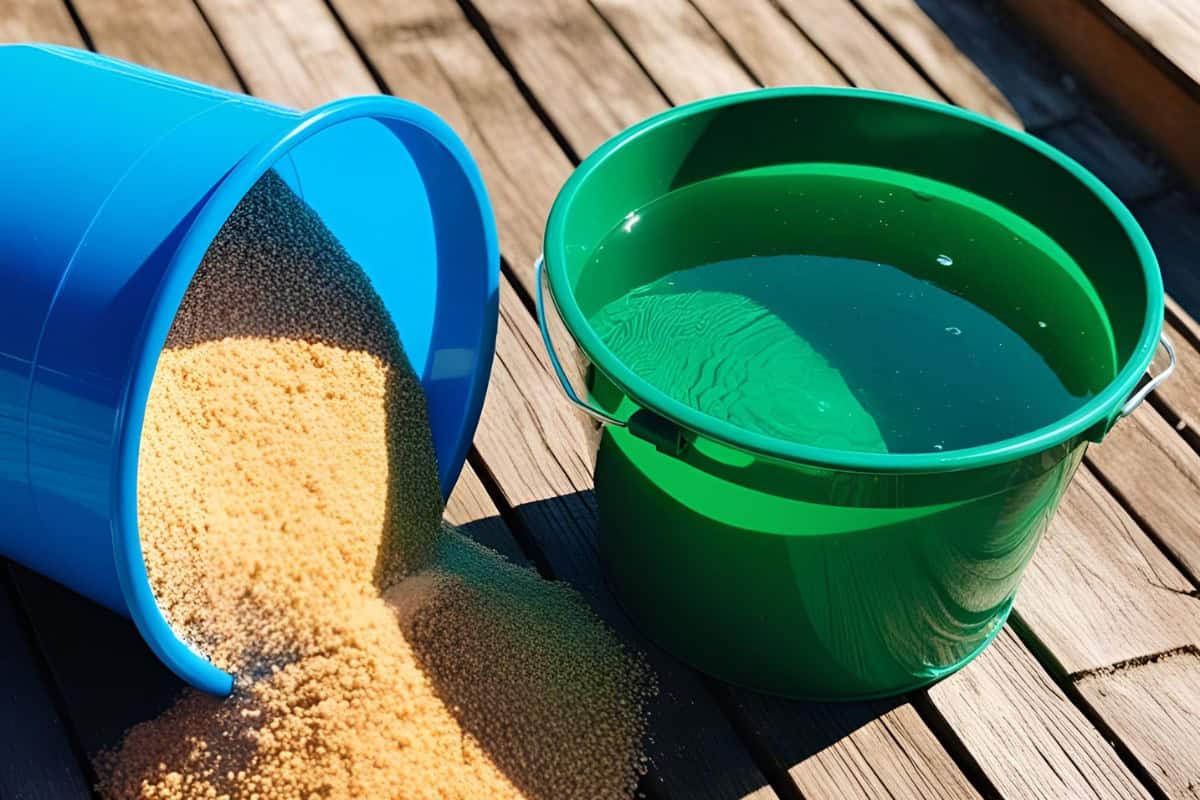
Sand and Dry Dirt Method
Smothering your fire pit with sand or dry dirt is a straightforward way to block oxygen and put out flames, especially in remote locations or places with water restrictions.
How to do it safely and cleanly:
- Keep a bucket of sand or dry dirt nearby while your fire burns.
- Once the fire is low, gently shovel sand or dirt over the embers until they’re completely covered.
- Stir the ashes with a stick or shovel for even coverage.
- Allow everything to cool for at least an hour.
Tips to minimize mess:
- Use only dry, clean sand or dirt to avoid adding moisture or debris.
- Lay down a tarp or tray under the fire pit edge to catch overflow if you’re worried about cleanup.
- Remove cooled ashes and excess sand with a metal scoop, disposing of them far from combustible materials.
Best environments for this method:
- Campgrounds or parks where water isn’t available
- Areas with local regulations against dumping water on fires
- Natural settings with easy access to clean, dry dirt
Sand and dirt are practical, especially when water isn’t an option or you’re camping away from home.
Always double-check that no embers remain hidden before leaving your fire pit.
Essential Safety Equipment for Fire Pit Owners
Having the right safety equipment on hand isn’t just smart—it’s necessary if you want to enjoy your fire pit without unnecessary risk.
Anyone learning how to put out a fire pit safely should take a hard look at their backyard setup and make sure every safety box is checked before lighting up.
Well-chosen equipment serves as your backup plan, helping you handle unplanned sparks, shifting winds, or unexpected flare-ups quickly and effectively.
Let’s break down what items every fire pit owner should have within arm’s reach, and how each plays an important role in reliable fire control.
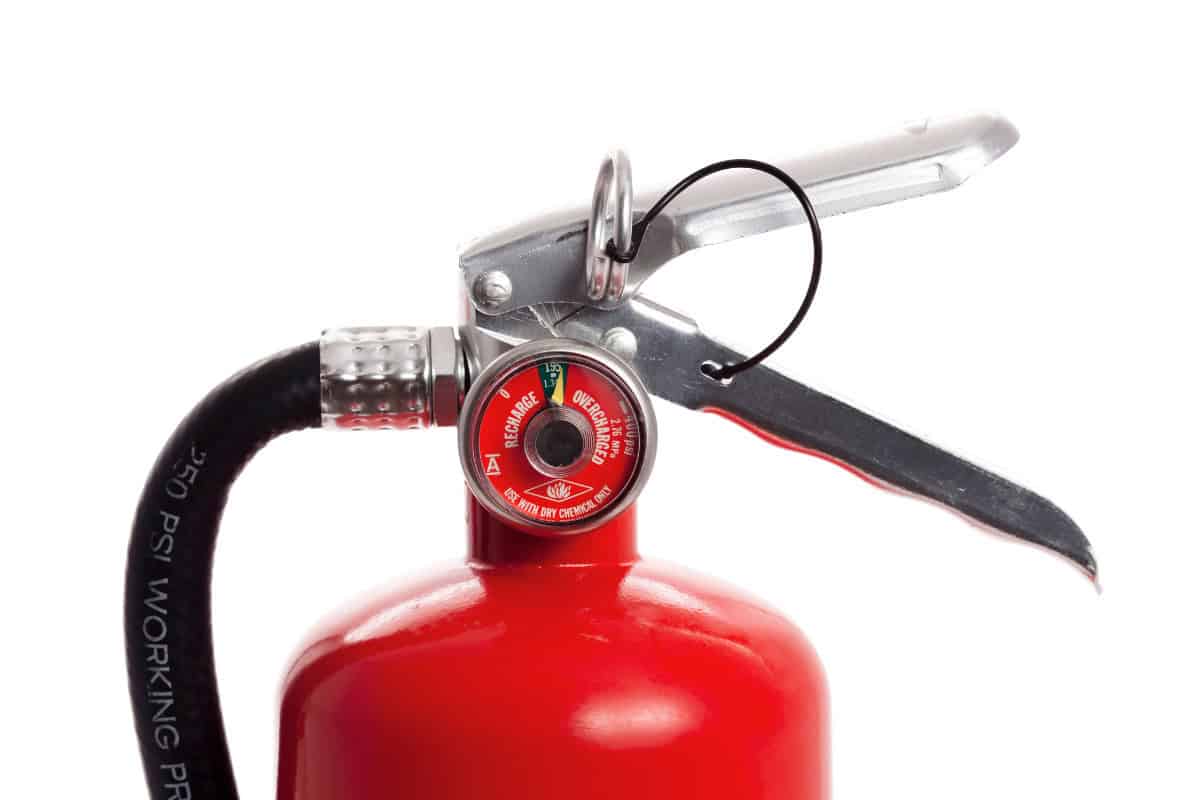
Fire Extinguisher
A compact yet powerful fire extinguisher is a must-have near any fire pit. Choose a model rated for wood, paper, and trash (Class A) or multipurpose (Class ABC).
Store it close to your fire pit so you don’t have to hunt for it if things heat up. Test your extinguisher annually and make sure everyone in your household knows how to use it.
- Place the extinguisher outside but protected from rain.
- Check the expiration date regularly.
- Use the pull, aim, squeeze, and sweep (PASS) method for fast response.
Metal Fire Screen or Snuffer Lid
These covers create a sturdy barrier that helps keep embers from escaping and can suffocate the fire more quickly when you need to put it out.
A fire pit snuffer lid is especially helpful when you want a no-fuss way to close things down for the night.
- Use a screen while burning to contain sparks.
- Place the snuffer lid over dying embers to cut off oxygen.
Sand or Dirt Supply
Keeping a small bucket of sand or dry dirt handy is a classic, low-tech safety solution. This material smothers flames and hot spots faster than you might think.
Just scoop and spread—no fancy tools needed.
- Store in a weatherproof bucket within reach of your fire pit.
- Sand is especially handy at remote sites or where water use is limited.
Water Source: Bucket or Hose
Nothing beats having a full bucket of water or a garden hose nearby. You can wet down problem areas or soak embers as they cool.
Always check your fire is completely out before leaving the area.
- Hose with a spray nozzle gives you more control.
- Keep at least five gallons of water ready for medium-sized fires.
For extra safety, always follow best fire pit placement ideas to minimize risk with your setup.
Heat-Resistant Gloves and Long Tools
Adding a pair of thick, heat-resistant gloves and a set of long-handled tongs or a fireplace shovel gives you better control and minimizes burns or accidental contact.
Move logs, shift embers, or stir ashes without getting too close.
- Choose gloves rated for at least 400°F.
- Look for sturdy, rustproof tools that are easy to clean.
Ash Bucket with Lid
An all-metal ash bucket with a tight-fitting lid lets you safely transport and dispose of hot ashes.
Never use plastic, which can melt or ignite if embers are still hot.
- Wait until ashes are cold before emptying in the trash.
- Store the bucket at least several feet from your house or deck.
Hardware Checklist: Quick Reference
To help you check your fire pit safety gear quickly, here’s a simple list you can run through before each use:
- ABC fire extinguisher (charged and accessible)
- Metal screen or snuffer lid
- 5-gallon bucket of water or garden hose
- Sand or dirt bucket
- Heat-resistant gloves and long-handled tools
- Metal ash bucket with lid
Make safety equipment a permanent part of your routine. For a helpful list of “emergency” gear, check out my article Backyard Fire Pit Safety 101.
Taking these simple steps each time you build a fire pays big dividends. With the right tools on hand, you’ll manage every aspect of how to put out a fire pit confidently and responsibly.

Special Considerations for Safe Fire Pit Use
Knowing how to put out a fire pit goes beyond having the right gear. Safety starts the moment you light your fire and continues even after you’ve poured water, stirred ashes, or secured your snuffer lid.
Paying attention to a few critical details can stop accidents before they start, keep everyone at ease, and make every backyard gathering stress-free.
Weather and Environmental Awareness
Always check the weather before starting or extinguishing your fire pit. Even a steady breeze can carry embers into dry grass or leaves, sparking a problem you don’t want.
Avoid using your fire pit during high winds, droughts, or when local fire warnings are in effect.
- Wind can make hot embers jump, spreading fire quickly.
- Low humidity increases the risk of flare-ups.
- Rain can soften the ground, making pits unstable, and sudden storms can scatter embers.
Local restrictions matter. Some areas ban fire pits during certain months or under specific weather conditions.
For peace of mind and legal safety, check with city or county authorities before each burn.
Safe Placement and Surroundings
Where you place your fire pit makes all the difference in fire safety. Always set up on a level, non-flammable surface like gravel, concrete, or pavers—never directly on grass, a wooden deck, or beneath overhanging branches.
- Leave at least 10 feet between your fire pit and any structure or shrub.
- Keep the area clear of debris, dry leaves, and outdoor furniture.
- Watch out for low-hanging tree limbs that can ignite with a sudden burst of flame.
Some setups, such as fire pits on balconies or porches, need extra attention and may call for protective mats under and around the pit.
For tips and must-have safety gear for tighter outdoor spaces, visit Balcony Fire Pit Safety Tips.
Handling Fuel and Ignition Materials
Choosing and using firewood or fuel responsibly is key when thinking about how to put out a fire pit safely.
Only burn seasoned hardwood or fire pit-approved materials. Avoid trash, cardboard, pressure-treated lumber, or any fuel with chemicals that may create toxic smoke or stubborn, smoldering embers.
- Keep an extra stack of dry wood away from the pit so stray sparks don’t set it off.
- Store matches and lighters out of children’s reach, and never use gasoline or lighter fluid to start or revive a fire.
- Limit your fire’s size—keep it manageable so it’s easier to put out.
Monitoring and Supervision
Never leave your fire pit unattended. Adult supervision is non-negotiable while the fire is lit and during the cool-down period.
Supervise children and pets closely, teaching them to stay at least three feet away from the fire pit—all the way until it’s stone-cold.
- Assign one adult to watch over the fire each time.
- Make it a rule to double-check the ashes before calling it done for the night.
- Have sdafety equipment like a fire extinguisher or water bucket at arm’s length to react instantly if needed
Material-Specific Safety Tips
Not all fire pits are created the same. The safest options often feature design details like deep bowls, mesh screens, or built-in snuff lids.
- Metal pits withstand heat but can rust if exposed to water.
- Stone and concrete pits resist wind but may crack with rapid cooling.
- Propane or gas-powered pits have automatic shut-offs and fewer embers.
To learn which style fits your backyard and safety needs best, visit the complete guide on Best fire pit types for safety.
Paying attention to these simple but important details sets you up for a safer, more relaxing fire pit experience every time.
Consistency in safety habits will keep you, your guests, and your home out of harm’s way—while making every fire pit gathering memorable for the right reasons.

How to Maintain Your Fire Pit After Putting Out the Fire
Once you’ve followed the right steps for how to put out a fire pit, your responsibility doesn’t stop there.
Regular maintenance after each use will help your fire pit last longer, look better, and work more safely.
Cleaning up while the fire pit is still cool prevents rust, discourages critters, and keeps lingering odors out of your yard.
Let’s walk through the simple steps you should take every time you use your fire pit.
Clear Away Ashes and Debris
After your fire pit is completely cool, tackle the ashes and leftover debris. This task is more than a tidy-up—built-up ash can block air flow next time, hold moisture against metal, and even attract pests.
- Use a small metal shovel or scoop to remove ashes and burnt material.
- Place cooled ashes in a metal ash bucket with a lid.
- Store hot ashes away from buildings or flammable items until they’re fully cold.
Ashes contain reactive chemicals that can break down your fire pit’s materials over time. Try not to let them sit for days on end.
Check for Moisture or Rust
Inspect your fire pit inside and out for spots where water might have collected. Moisture, especially when combined with leftover ash, causes rust and weakens both metal and stone fire pits.
- Wipe down any damp surfaces with a dry rag.
- Use a hand broom to sweep cracks or crevices, especially if you have a brick or stone fire pit.
- Look closely for orange spotting—an early sign of rust.
If you spot rust, clean the area with a wire brush and apply a high-heat paint or a fire pit-safe sealant right away.
Clean Grates, Screens, and Tools
Parts like cooking grates, spark screens, and tongs get dirty quickly. Grease, ash, and soot can corrode parts sooner than you think if left unattended.
After each burn:
- Remove and scrub grates or screens with a wire brush.
- Wipe down tools with a damp, soapy cloth and dry thoroughly.
- Never stack damp tools or accessories inside your fire pit.
By keeping everything clean, you’ll make your next fire safer and more pleasant. Clean gear also burns more efficiently and won’t impart strange tastes if you cook over the flames.
Cover and Store Your Fire Pit
Protection from rain, snow, and morning dew adds years to even the hardiest fire pit models.
When you’re done for the night:
- Place a snug-fitting, weatherproof cover over the entire fire pit.
- For portable models, move them to a sheltered spot when not in use.
- Make sure no embers are still burning before covering.
Covers also block leaves, insects, and neighborhood critters from taking up residence in your fire pit.
Inspect for Structural Damage
After clean-up, take a moment to inspect the structure. Fast action on cracks, loose stones, or unstable legs saves you costly repairs and helps avoid safety risks later on.
- Check for loose bolts, stones, or warped metal.
- Tighten or replace screws and bolts as needed.
- Report major cracks or flaws to the manufacturer for advice or warranty claims.
Spotting and fixing damage early will reduce your risk the next time you fire up your backyard retreat.
Ready Your Fire Pit for the Next Burn
A little extra attention after each use pays off when it’s time to light your next fire. By handling ashes, preventing moisture, and securing a tight cover, you set yourself up for hassle-free fires all season long.
Don’t forget, proper maintenance head-to-toe—from the base to your fire pit tools—reflects good fire pit ownership and brings peace of mind every time you light a match.
For those looking for more expert care hacks, you’ll find plenty of inspiration among other fire pit best practices and add-ons.
Taking the time now means less work and more backyard fun later.
FAQs: How to Put Out a Fire Pit
No, it is not safe to leave a fire pit smoldering overnight. Even a seemingly extinguished fire can retain enough heat to reignite under the right conditions, posing serious risks of property damage, wildfires, and carbon monoxide poisoning.
Properly extinguishing a fire pit requires thoroughly dousing all embers with water, stirring the ashes to expose hidden hot spots, and continuing to add water until no steam or hissing sounds are produced.
Fire safety experts strongly recommend completely extinguishing outdoor fires when unattended, as wind can easily blow embers onto nearby flammable materials, potentially causing devastating wildfires or structure fires.
Additionally, smoldering fires produce carbon monoxide, which can be particularly dangerous when located near open windows or doors where the gas might drift indoors.
For those concerned with convenience, investing in a propane or natural gas fire pit with controlled shut-off capabilities offers a safer alternative that eliminates the risk of lingering embers.
Once you’ve fully extinguished your fire pit, wait until the ashes have completely cooled before handling them—typically at least 24 hours.
Store the cooled ashes in a metal container with a tight-fitting lid, never using plastic, paper, or cardboard containers which could ignite from lingering hot spots.
Garden enthusiasts can repurpose wood ashes as a valuable soil amendment since they contain potassium, calcium, and other nutrients beneficial for plants, though they should be used sparingly on alkaline soils as they can raise pH levels.
For disposal, check your local regulations as options vary by location—some municipalities allow ashes in regular trash once completely cooled, while others have specific collection services for fire residue.
During disposal, be mindful of wind conditions to prevent ash from blowing into unwanted areas, and never dump ashes in natural areas where they could harm local ecosystems or potentially reignite.
Finally, keep fire pit ashes away from structures, vegetation, and flammable materials until you’re absolutely certain they contain no remaining heat.
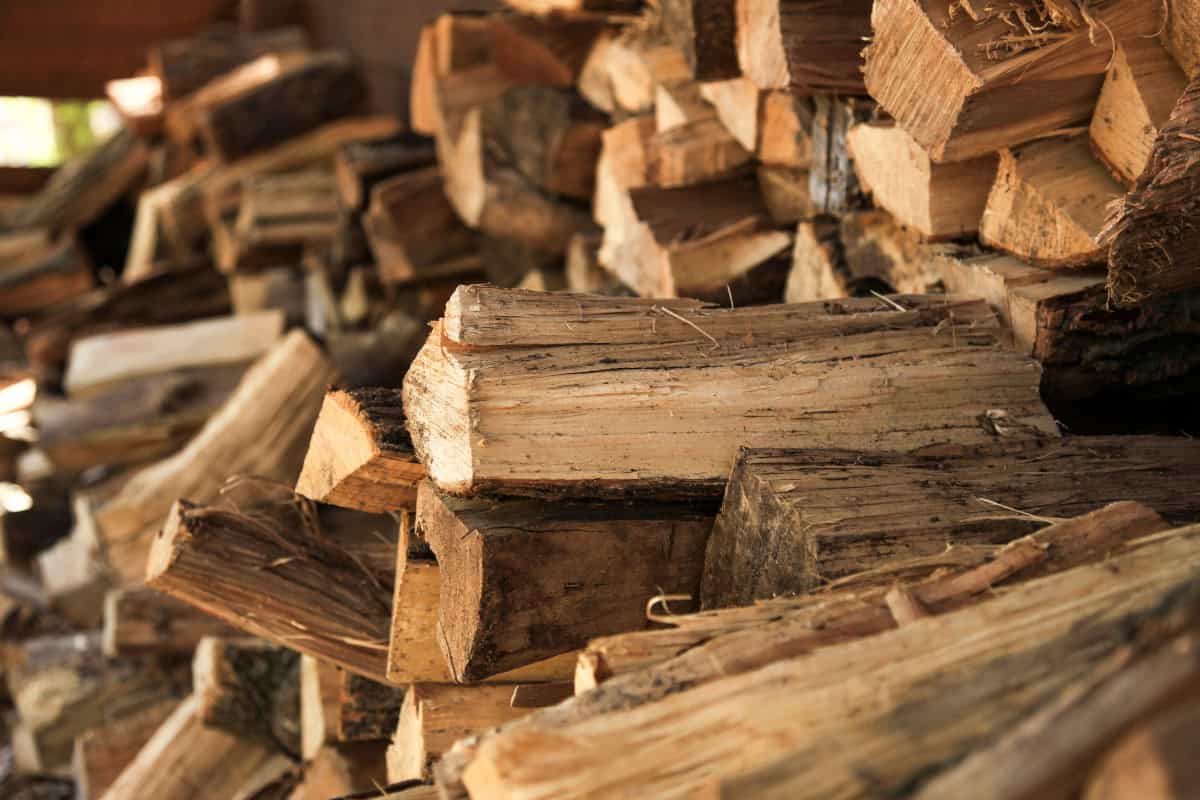
Hardwoods like oak, hickory, and maple are widely considered the best burning firewood choices for fire pits due to their dense composition, which creates longer-lasting fires with consistent heat output and minimal smoke production.
Oak stands out as particularly excellent because it burns slowly and steadily for hours while creating robust coals that maintain warmth throughout the evening.
Maple offers a pleasant, subtle aroma while burning cleanly with moderate heat, making it ideal for cooking or when guests are gathered around the fire.
Hickory generates intense heat and imparts a distinctive smoky flavor that enhances cooking experiences, though it should be well-seasoned for at least 12 months before use to reduce excess smoke.
Cherry, apple, and other fruitwoods provide sweet aromas and moderate heat output, creating an inviting atmosphere with decorative flames, though they typically don’t last as long as denser hardwoods.
Regardless of wood type, always ensure your firewood has been properly seasoned (dried) for at least 6-12 months until it reaches 20% moisture content or less—identifiable by checking for cracks at the ends, a hollow sound when pieces are knocked together, and bark that easily peels away—as this significantly reduces smoke, improves burning efficiency, and minimizes harmful creosote buildup in the fire pit.
Wrap-up: How to Put Out a Fire Pit
Practicing the right steps for how to put out a fire pit protects everyone and keeps your outdoor space safe.
Taking time to double-check for hidden embers and cleaning up properly prevents dangerous surprises or costly damage.
Your decisions matter every time you use a fire pit. Build on this knowledge to help protect your home and encourage others to do the same.
Ready to improve your entire backyard routine? Review essential fire pit basics at Starting a Fire Pit Guide.
Your attention to safety shapes memorable nights and keeps your backyard welcoming for seasons ahead.